New developments in the murder case of Charlie Kirk have raised serious questions regarding critical evidence, including whether the bullet recovered at autopsy can be conclusively linked to Tyler Robinson’s alleged weapon.
Tyler Robinson, 22, faces capital murder charges in connection with the fatal shooting at Utah Valley University on September 10, when Charlie Kirk was shot in the neck and died, leaving the campus community and the state in shock.
According to court filings, forensic analysis of the bullet may not support the prosecution’s case as strongly as initially assumed, raising potential challenges for the government’s ability to prove a direct link to Robinson’s firearm.
The shooting occurred from a rooftop approximately 410 feet away, with Robinson reportedly escaping the scene immediately after. Authorities launched a large-scale manhunt that spanned several hours and involved multiple law enforcement agencies.
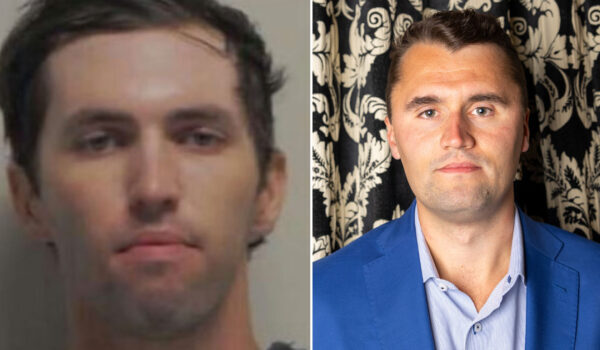
Robinson surrendered to police 36 hours after the shooting. Prosecutors claim he drove three hours to Utah Valley University intending to kill Kirk, a narrative supported by law enforcement investigations and statements from Robinson’s family.
He was ultimately identified after his father recognized what police described as a “unique” rifle in images released during the manhunt, which authorities used to trace Robinson as the prime suspect.
Court documents detail messages allegedly sent by Robinson to his partner, Lance Twiggs, describing attempts to retrieve his weapon and concerns about leaving evidence behind, highlighting a deliberate effort to avoid detection.
“If I am able to grab my rifle unseen, I will have left no evidence. Going to attempt to retrieve it again, hopefully they have moved on,” Robinson allegedly wrote, according to filings obtained by media outlets.
He further described returning to a “drop point” to recover the firearm, but noted the area had been “locked down,” complicating his efforts and raising questions about the evidence timeline.
Robinson’s messages reportedly conveyed concern about what his father might do if the rifle was not returned, referencing a family heirloom weapon and potential fingerprints left at the scene.
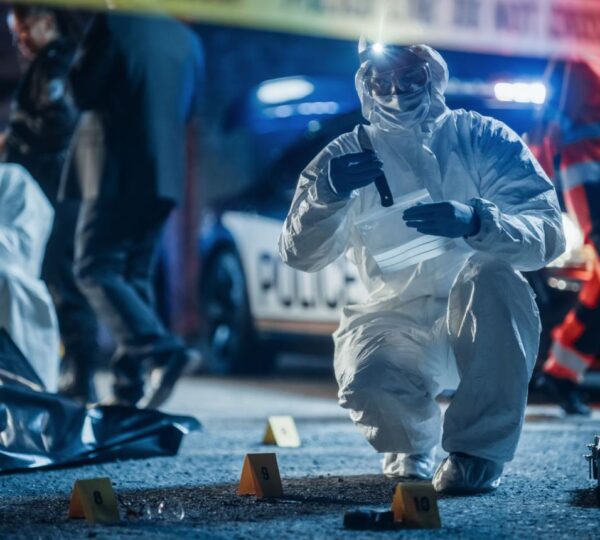
“I’m worried what my old man would do if I didn’t bring back grandpas rifle… idek if it had a serial number, but it wouldn’t trace to me,” he allegedly wrote, adding that he left the weapon in a bush after changing outfits.
He also warned Twiggs to delete their messages, suggesting an awareness of potential law enforcement monitoring and an attempt to limit digital evidence that could be used against him in court.
Authorities later said Robinson confessed to his father, who immediately contacted police, ultimately leading to Robinson’s arrest and formal charges for Charlie Kirk’s murder.
In filings submitted Friday, Robinson’s attorneys argue that the Bureau of Alcohol, Tobacco, Firearms and Explosives (ATF) was “unable to identify the bullet recovered at autopsy to the rifle allegedly tied to Mr Robinson,” raising a potential weakness in the prosecution’s ballistic evidence.
The defense plans to introduce testimony from an ATF firearm analyst, potentially presenting expert opinions that challenge the link between the recovered bullet and Robinson’s firearm, which could significantly impact the case.
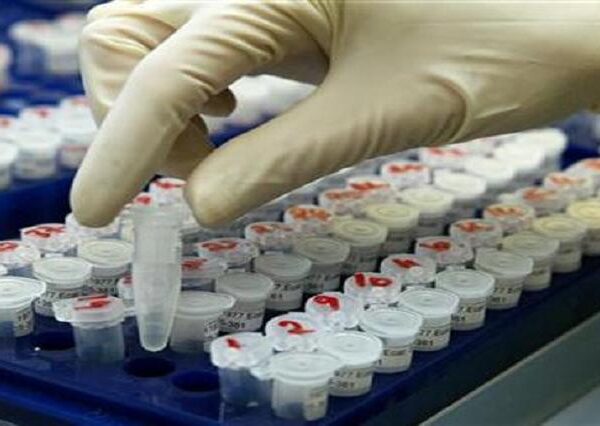
Robinson’s attorneys also requested a six-month delay of the preliminary hearing, citing the need for comprehensive review of forensic and scientific evidence, including complex DNA analysis that requires multiple expert evaluations.
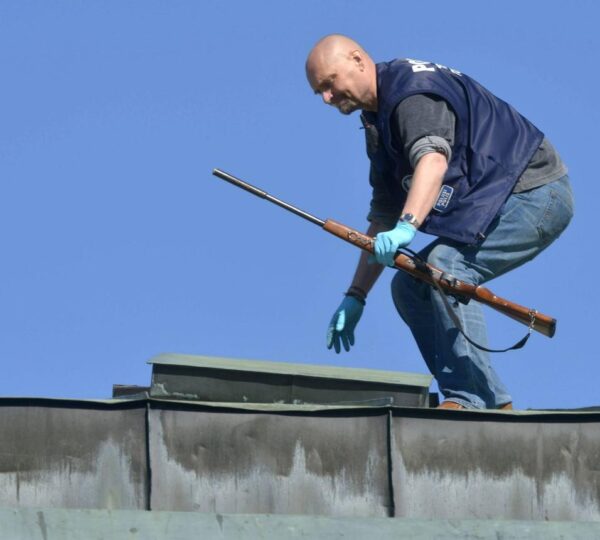
Court documents note that multiple DNA profiles were found on key pieces of evidence, requiring specialized review from forensic biologists, geneticists, system engineers, and statisticians to ensure accurate interpretation.
The defense has received approximately 20,000 files, including audio recordings, video footage, and written documents. Reviewing and cross-referencing these materials is expected to require hundreds of hours to ensure readiness for court proceedings.
Additionally, Robinson’s attorneys assert that critical forensic files have not yet been provided, making it difficult to fully analyze the evidence, which could include DNA, fingerprints, and ballistic comparisons.
The court filings emphasize the complexity of forensic review, highlighting that determining the number of contributors to a DNA mixture and verifying proper application of scientific methods is a meticulous and time-consuming process.
Prosecutors maintain that Robinson traveled specifically to Utah Valley University with intent to commit murder, relying on digital evidence, eyewitness accounts, and the identification of the rifle as supporting their case against him.
Despite this, the defense argues that the inability to definitively link the bullet to Robinson’s firearm introduces reasonable doubt, potentially affecting the strength of the prosecution’s argument in establishing guilt beyond a reasonable doubt.
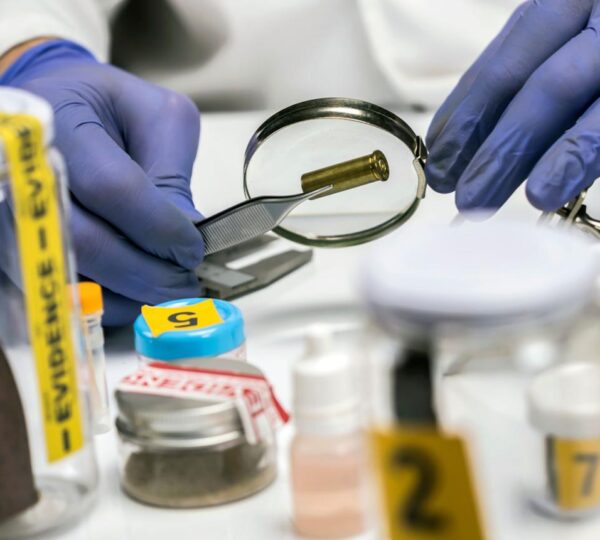
Robinson’s messages to Twiggs reveal a level of premeditation and concern over leaving evidence, yet the defense suggests that these communications alone cannot substitute for concrete forensic confirmation connecting the bullet to the alleged weapon.
The preliminary hearing delay request seeks time for further analysis, including reviewing ballistic testing procedures, firearm expert reports, and corroborating forensic evidence to ensure a thorough and fair review before proceeding.
Court filings note that the discovery process has involved significant resources, with the defense devoting extensive hours to organizing files, reviewing digital content, and preparing strategies to assess the reliability of evidence.
DNA evidence, in particular, is highlighted as a complicated aspect, as mixed profiles from multiple contributors require detailed interpretation and validation to determine whether they can be reliably associated with Robinson.
The defense argues that expert analysis from the ATF and the FBI must be carefully examined to verify that validated scientific procedures were correctly followed, a step essential to the integrity of any criminal trial.
Robinson is scheduled to appear in court on April 17. During this appearance, the judge will consider motions regarding the delay of the preliminary hearing and other procedural matters related to discovery and evidence review.
Observers note that the outcome of these motions could significantly affect the timeline of the case, as well as the ability of both defense and prosecution to prepare their respective arguments effectively.
The case has drawn widespread attention due to the circumstances of Kirk’s death, the involvement of a university campus, and questions surrounding forensic evidence and ballistic analysis that remain central to the proceedings.
Legal analysts emphasize that challenges to the forensic evidence could influence not only pretrial motions but also potential trial strategies, with implications for how the prosecution presents its case to a jury.
The defense highlights that establishing a chain of custody, confirming firearm identification, and validating DNA interpretation are all critical factors in ensuring a fair trial and preventing wrongful convictions.
Court documents suggest that ongoing review of the evidence will include consultations with forensic biologists, ballistic experts, and criminal justice specialists to evaluate the reliability and admissibility of key materials.
Attorneys argue that without definitive forensic links, statements, messages, and circumstantial evidence alone may be insufficient to secure a conviction on capital murder charges.
The complexity of the case underscores the importance of meticulous examination, especially given the high stakes of a capital murder charge, which carries the possibility of life imprisonment or death penalty depending on jurisdiction.
Authorities continue to assert that Robinson acted with premeditation, relying on digital communications and surveillance evidence to support their timeline and account of events surrounding Kirk’s shooting.
Meanwhile, the defense emphasizes that forensic uncertainty, particularly in ballistics and DNA, requires cautious review, and that premature assumptions could undermine Robinson’s right to due process and fair trial standards.
Messages between Robinson and Twiggs provide context for intent and planning, yet forensic confirmation of the weapon remains the linchpin of the prosecution’s case according to defense filings.
Robinson’s legal team continues to request additional time to thoroughly review evidence, consult with experts, and prepare motions addressing the admissibility, interpretation, and reliability of critical forensic data.
Observers note that high-profile cases such as this often involve extensive discovery, expert testimony, and complex procedural issues, all of which contribute to longer pretrial periods to ensure justice is properly served.
The court filings illustrate the meticulous efforts of the defense to examine each element of the case, from messages and digital communications to ballistic evidence, DNA samples, and witness statements, reflecting the high-stakes nature of capital murder trials.
Experts in criminal law note that the inability to conclusively link a bullet to an alleged firearm can create reasonable doubt, a cornerstone principle in criminal law, emphasizing the presumption of innocence until proven guilty beyond a reasonable doubt.
Robinson remains in custody while awaiting further proceedings. His legal team is preparing motions, consulting experts, and reviewing thousands of discovery materials to fully evaluate evidence and ensure all constitutional rights are protected.
The April 17 court date will likely include arguments over the requested six-month delay, presentation of initial motions, and discussions regarding the adequacy and completeness of discovery provided by the prosecution.
The case highlights the intersection of forensic science, digital communications, and criminal intent, showing how modern investigations rely on a combination of technology, evidence analysis, and expert interpretation to build a legal case.
Legal commentators emphasize that this case may serve as an example of how forensic evidence is scrutinized in high-stakes criminal trials, with attention to the proper identification of firearms, bullets, and DNA evidence under court standards.
Tyler Robinson’s defense continues to emphasize that all forensic evidence must be validated, properly interpreted, and corroborated before any conclusion can be reached, particularly in light of potential gaps in ballistic identification.
The prosecution has asserted that Robinson’s messages demonstrate premeditated intent, but the defense counters that without scientific confirmation connecting the bullet to the rifle, these messages cannot alone establish guilt beyond a reasonable doubt.
Robinson’s legal team also stresses that discovery is ongoing and that additional forensic reports, video recordings, and audio evidence may still impact the case, further justifying the requested delay of the preliminary hearing.
Courts generally grant extensions in complex cases where expert analysis and scientific review are necessary, particularly when thousands of pages of discovery and multiple expert evaluations are involved in assessing reliability and accuracy.
The defense’s request reflects both the technical complexity of the evidence and the importance of ensuring that all relevant scientific data, including DNA mixtures and ballistic testing, is thoroughly reviewed before trial proceedings continue.
Observers and legal experts note that high-profile cases like this often require months of preparation, expert consultation, and evidence verification to ensure both the prosecution and defense are adequately prepared for trial.
The case of Tyler Robinson and the murder of Charlie Kirk remains under close scrutiny, with the upcoming preliminary hearing likely to determine procedural timelines, admissibility of evidence, and potential challenges to forensic findings.
As the legal process unfolds, both the prosecution and defense continue to gather, review, and analyze evidence, preparing to present their cases with attention to detail, accuracy, and adherence to legal and scientific standards.
The case emphasizes the critical role of forensic science, meticulous discovery review, and careful legal strategy in ensuring that the rights of all parties are protected in a complex criminal investigation involving capital murder charges.