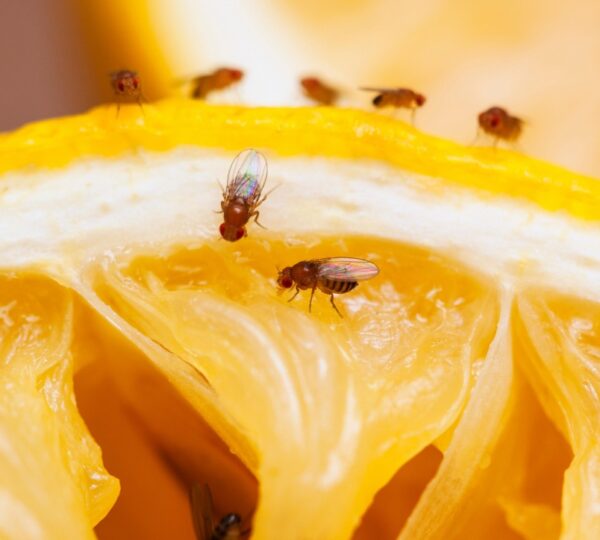
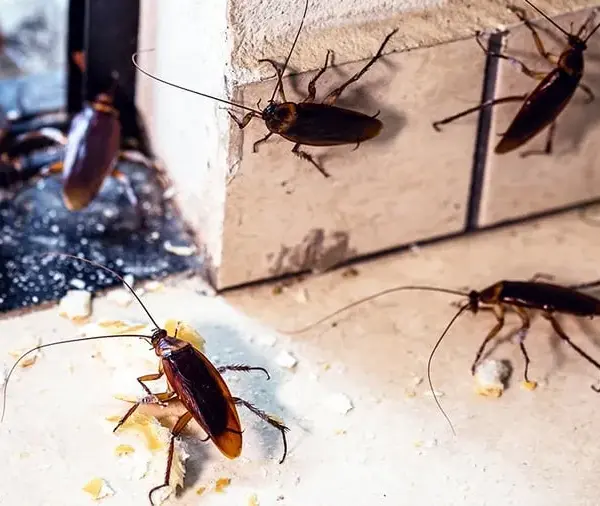
There are few things more unsettling than walking into your kitchen and seeing flies buzzing relentlessly around your countertops or spotting a cockroach darting across the floor.
These small intruders, seemingly harmless at first glance, have a remarkable ability to disrupt the sense of comfort and security you work so hard to maintain in your home.
Your living space should be a sanctuary—a place where you feel safe, relaxed, and in control—but when pests appear, that sense of peace can evaporate almost instantly.
For many people, the instinctive response is to reach for chemical sprays, insecticides, or commercial pest-control products.
These solutions often offer a quick fix, temporarily eliminating the visible insects and providing the illusion of immediate relief. However, there are numerous drawbacks to relying exclusively on chemical treatments.
The Hidden Drawbacks of Chemical Pest Control
Chemical sprays may produce strong odors that linger for hours, even days. These fumes can irritate the respiratory system, particularly for young children, elderly family members, or pets who may accidentally inhale them.
Some pesticides contain toxic compounds that, if ingested—even in small quantities—can pose serious health risks. Accidental exposure to these chemicals can happen easily, especially on surfaces where food is prepared, toys are left, or pets frequently walk.
Repeated use of chemical insecticides can also damage delicate household surfaces. Certain formulations may leave residues on countertops, floors, cabinetry, or painted surfaces, potentially discoloring or corroding them over time.
Beyond immediate household risks, these chemicals can contribute to indoor air pollution, further compromising your home environment. Long-term exposure may even affect sensitive individuals, aggravating allergies, asthma, or other respiratory conditions.
Fortunately, there is a safer, more eco-friendly, and cost-effective alternative—one that uses simple household ingredients you probably already have in your kitchen.
This natural solution combines mint toothpaste, baking soda, and white vinegar, producing a powerful pest-repelling mixture that is both safe and effective.
Why Mint Toothpaste, Baking Soda, and Vinegar Work
Each ingredient in this homemade solution serves a unique and complementary role:
-
Mint toothpaste: Most mint toothpastes contain peppermint oil, which produces a fresh, pungent aroma that many insects find repellent.
-
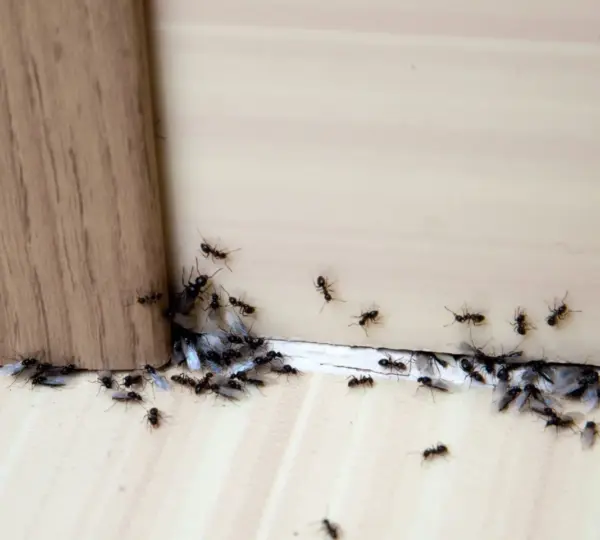
Peppermint interferes with the chemical cues insects rely on to navigate and communicate, such as scent trails left by ants or the pheromone signals of cockroaches. The strong minty smell is generally unpleasant for flies, ants, and even some spiders, discouraging them from frequenting treated areas.
-
Baking soda: Beyond its cleaning properties, baking soda acts as a natural deodorizer and reacts chemically when combined with vinegar.
-
This reaction produces fizzing bubbles, which can help dislodge sticky residues, crumbs, or pheromone trails that insects use to find food and nesting areas. Baking soda also has the benefit of absorbing moisture, which is crucial because many pests, including ants and cockroaches, are attracted to damp environments.
-
White vinegar: Vinegar is a mild acid that can sanitize surfaces while also disrupting insects’ activity. Its strong, acidic scent masks the chemical trails insects leave behind, and it can clean away organic residues that attract pests.
-
When combined with baking soda, vinegar produces the fizzing action that adds both a mechanical and chemical cleaning effect, enhancing the overall pest-repelling properties of the mixture.
Together, these ingredients create a chemical-free barrier that not only repels pests but also cleans surfaces in your home, tackling the underlying causes of infestations rather than just the symptoms.
Safety Advantages of the Homemade Solution
One of the greatest benefits of this approach is its safety profile. Unlike conventional insecticides, this mixture contains no harsh chemicals, making it safe for use around:
-
Children
-
Pets
-
Elderly individuals
-
Sensitive surfaces such as wood, laminate, or painted cabinets
There are no toxic fumes, no lingering residues, and no strong chemical odors—just the fresh scent of peppermint. Because of this, the solution is ideal for anyone looking to maintain a healthy, toxin-free indoor environment while still effectively managing pests.
Step-by-Step Guide to Making the Pest Repellent
Creating your homemade pest-repelling solution is straightforward, inexpensive, and quick. Here’s a detailed guide:
-
Gather your ingredients: You will need
-
1 tablespoon of mint toothpaste (choose one with a strong peppermint flavor)
-
1 tablespoon of baking soda
-
1 tablespoon of white vinegar
-
120 milliliters (½ cup) of warm water
-
Optional: a few drops of peppermint essential oil for extra potency
-
-
Mix the ingredients:
-
Start by placing the toothpaste in a small mixing bowl.
-
Add the baking soda and stir lightly to combine.
-
Slowly pour in the vinegar. You will notice a fizzing reaction—this is normal and contributes to the cleaning and pest-repelling properties.
-
-
Add water and essential oil:
-
Once the fizzing subsides, stir in the warm water to create a consistent solution.
-
Add a few drops of peppermint essential oil if desired. This enhances the peppermint scent and boosts the mixture’s efficacy against insects.
-
-
Transfer for application: You can pour the mixture into small containers, shallow dishes, or even spray bottles depending on how you intend to use it.
-
How to Apply the Solution in Your Home
This solution is versatile and can be applied in multiple ways to target pest activity effectively:
-
Strategic placement: Pour the solution into shallow containers and place them in areas where pests are commonly observed. Key spots include:
-
Under kitchen sinks (a common source of moisture)
-
Near trash bins, which attract flies and cockroaches
-
Along windowsills, doorways, and cracks where insects enter
-
Next to pet feeding stations
-
-
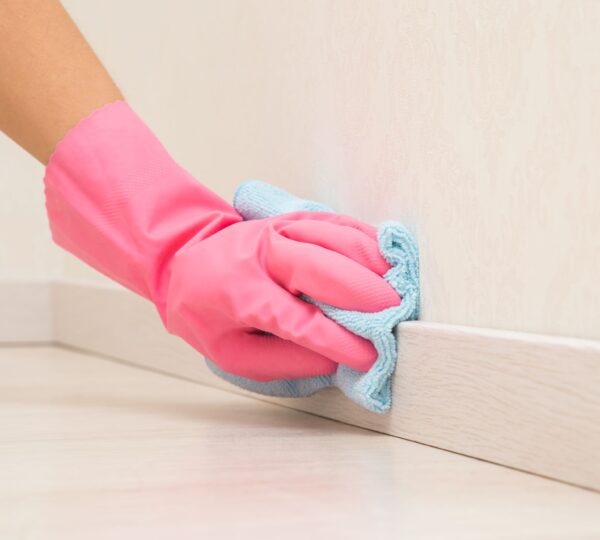
Direct application: Use a cotton swab, sponge, or soft cloth to apply a thin line of the solution along baseboards, behind appliances, or in corners where pests hide.
-
Regular replacement: The mixture’s effectiveness diminishes over time, so it’s recommended to refresh the solution every 2-3 days for continuous protection.
-
Cleaning synergy: As you apply the mixture, it also cleans surfaces, removing crumbs, grease, and residue that attract pests. Using it regularly as part of your cleaning routine can reduce the likelihood of future infestations.
-
Understanding the Science Behind It
When applied correctly, this mixture works on multiple levels:
-
Repelling: The peppermint scent overwhelms insects’ olfactory systems, making the area unattractive.
-
Disrupting trails: Baking soda and vinegar help erase pheromone trails that ants and cockroaches use to communicate and navigate.
-
Cleaning surfaces: The chemical reaction between vinegar and baking soda loosens grime and debris, eliminating potential food sources.
By addressing both the behavioral and environmental factors that attract pests, this solution is more effective than simply spraying insects on sight.
Additional Tips for Maximum Effectiveness
-
Target moisture-prone areas: Many household pests, particularly cockroaches and ants, are drawn to damp environments. Regularly drying sinks, wiping down counters, and fixing leaky faucets can enhance the solution’s effectiveness.
-
Combine with preventive measures: Seal cracks, gaps, and entry points around doors and windows to prevent pests from entering in the first place.
-
Use old towels or cloths: When applying the mixture directly, consider using materials you can wash easily to avoid staining sensitive surfaces.
-
Rotate application spots: Change where you place containers every few days to prevent pests from adapting to the scent.
Environmental and Long-Term Benefits
Unlike conventional insecticides, this natural solution is eco-friendly, biodegradable, and non-toxic. By reducing chemical use in your home, you also contribute to improved indoor air quality, protecting both your family and pets.
The ingredients are inexpensive, widely available, and safe, making it a sustainable option for long-term household maintenance.
By integrating this solution into your cleaning routine, you not only control pests effectively but also foster a healthier, cleaner home environment.
It’s a perfect example of how simple, everyday items—things as ordinary as toothpaste, baking soda, and vinegar—can be combined in clever ways to solve common problems safely, efficiently, and responsibly.
Conclusion
Pests can disrupt your sense of home and hygiene, but the solution doesn’t have to involve harmful chemicals. A mixture of mint toothpaste, baking soda, and vinegar provides a natural, non-toxic, and highly effective way to repel and manage household insects.
Safe for children, pets, and sensitive surfaces, it also doubles as a cleaning agent that removes the debris and odors that attract pests in the first place.
Through thoughtful application, consistent use, and complementary preventive measures, you can reclaim your home as the safe, clean sanctuary it is meant to be.
By choosing this eco-friendly, natural approach, you protect your family, your pets, and your home, all while contributing to a greener, healthier environment.
In the end, the frustration and stress caused by insects and other pests no longer have to dominate your life. With a simple, science-backed solution that harnesses ingredients you already have, it’s possible to maintain both comfort and cleanliness in your living space, naturally and effectively.