In Tehran, Iran’s foreign minister Abbas Araghchi addressed the nation following reported military strikes, delivering remarks that emphasized restraint, sovereignty, and adherence to international legal principles rather than emotional or symbolic escalation.
He described the attacks as a violation of Iran’s territorial integrity, reiterating that the country reserves the right to self-defense under international law, while signaling that any response would be measured and carefully considered.
His tone reflected a broader national sentiment shaped by years of geopolitical pressure, economic sanctions, and regional tensions, where calls for resilience coexist with a growing awareness of the risks associated with prolonged instability.
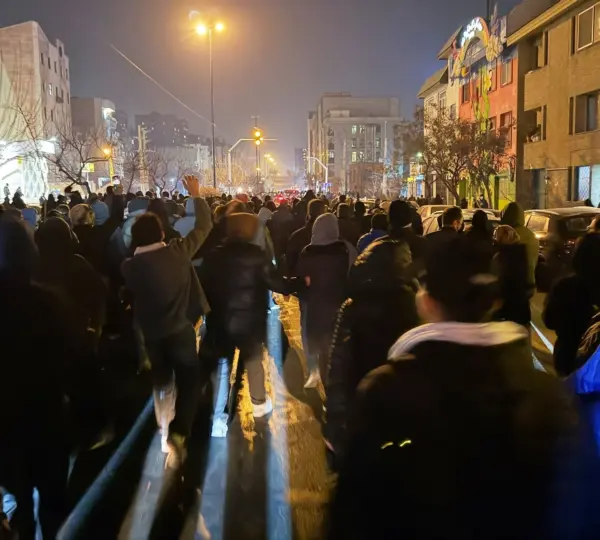
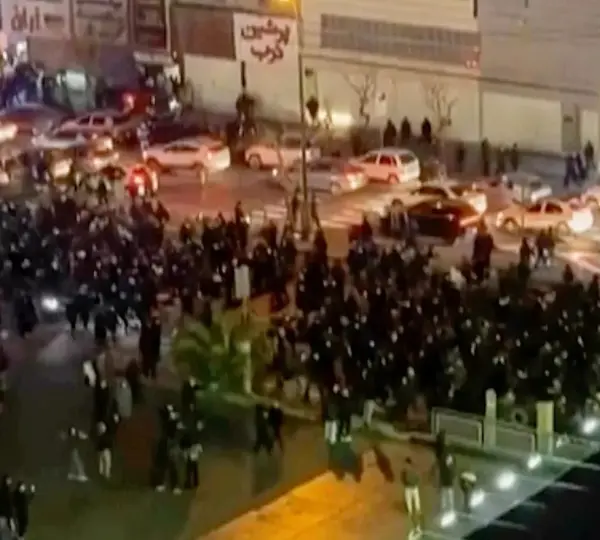
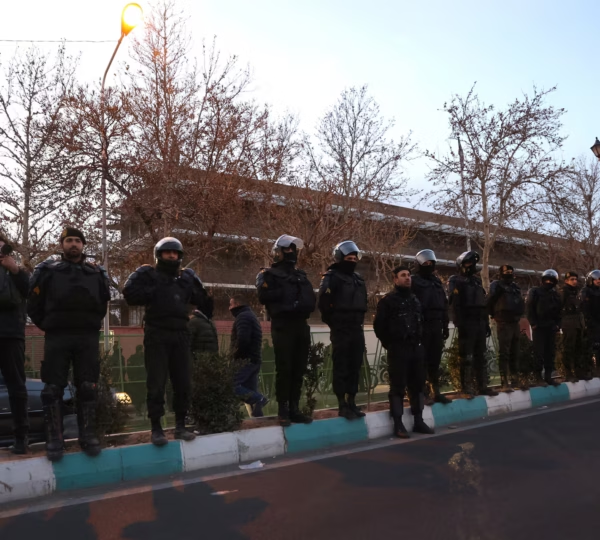
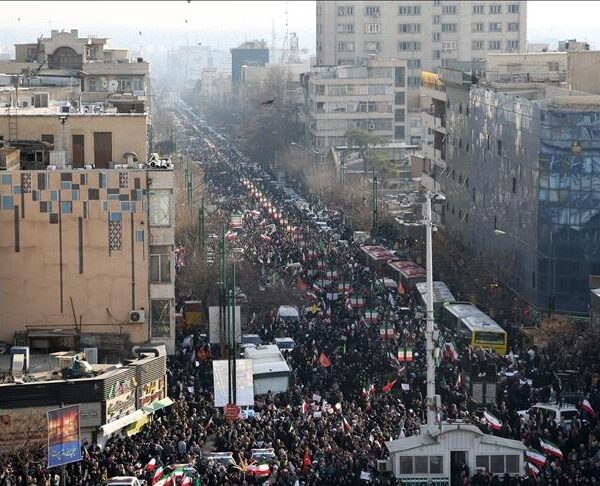
Across the capital, reactions among residents have varied. Some citizens expressed support for a firm stance, viewing it as necessary to preserve national dignity, while others voiced concern about the potential human and economic costs of escalation.
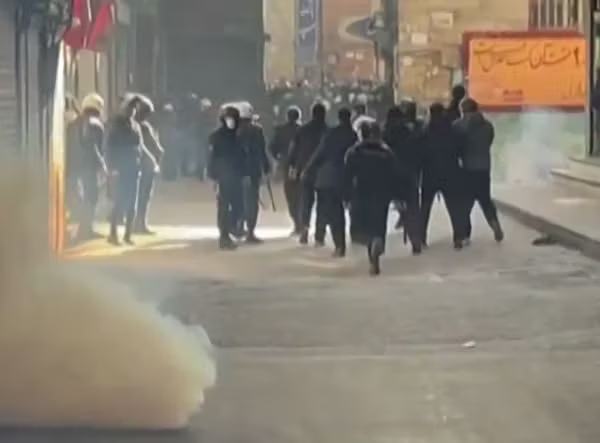
In public discussions, both online and offline, a recurring theme has emerged: the desire to avoid a wider conflict while maintaining sovereignty. This tension highlights the complexity of public opinion during periods of heightened geopolitical uncertainty.
Iranian leadership now faces a delicate strategic calculation. Officials must communicate resolve to domestic and international audiences while simultaneously avoiding actions that could trigger a broader regional confrontation with unpredictable consequences.
Government messaging has emphasized proportionality, suggesting that any response would align with established legal frameworks rather than immediate retaliation, a position intended to balance deterrence with diplomatic flexibility.
In contrast, officials in the United States framed the reported operation as a preventive or defensive measure aimed at reducing perceived long-term security risks in the region.
Statements from U.S. representatives highlighted concerns related to regional stability and strategic deterrence, presenting the action as limited in scope and designed to avoid broader escalation while addressing ongoing security challenges.
Similarly, leaders in Israel characterized the strikes as necessary steps to safeguard national security, emphasizing the importance of preventing potential threats from developing into more immediate dangers.
Israeli officials underscored their long-standing policy of preemptive defense, while also noting that such actions are typically calibrated to minimize the risk of sustained conflict, even as they acknowledge inherent uncertainties.
Despite these assurances, internal discussions within both governments reportedly continue, focusing on the possible long-term implications of such actions and the challenges of maintaining strategic stability in a volatile environment.
European governments have responded with a more cautious tone. Leaders in the United Kingdom, France, and Germany have all called for restraint and renewed diplomatic engagement.
Their statements reflect concern that even limited military actions can escalate quickly, drawing on past experiences where initial operations expanded into prolonged crises with far-reaching humanitarian and economic consequences.
European officials have also emphasized the importance of preserving existing diplomatic channels, warning that miscalculation or miscommunication could further complicate efforts to stabilize the situation.
At the United Nations, diplomats have described a subdued but tense atmosphere as preparations began for emergency consultations among member states.
Representatives from multiple countries expressed concern about the gradual erosion of norms governing the use of force, noting that repeated exceptions risk weakening established international frameworks.
While calls for de-escalation have been widespread, expectations for a unified response remain limited due to differing strategic interests among major powers, complicating efforts to reach consensus on next steps.
Some diplomats have stressed the need for immediate confidence-building measures, including transparent communication and verification mechanisms, to reduce the risk of unintended escalation.
Others have pointed to the importance of long-term diplomatic initiatives aimed at addressing underlying sources of tension, including regional rivalries, security concerns, and unresolved political disputes.
Financial markets have responded quickly to the developments. Energy prices have shown upward movement, reflecting concerns about potential disruptions to supply chains in a region critical to global oil and gas production.
Investor sentiment has also shifted toward caution, with market participants closely monitoring geopolitical developments and adjusting their expectations based on perceived risks to economic stability.
Beyond financial indicators, the broader impact is psychological. Governments, institutions, and individuals are adapting to an environment characterized by heightened uncertainty and rapid changes in strategic conditions.
In many parts of the world, policymakers are reviewing contingency plans, assessing vulnerabilities, and preparing for scenarios that could affect trade, security, and humanitarian conditions.
Analysts note that the situation remains fluid, with multiple possible outcomes depending on how key actors choose to respond in the coming days and weeks.
Diplomatic channels are expected to play a critical role in determining whether tensions can be managed effectively or whether they will continue to escalate.
Back in Iran, official messaging has continued to emphasize patience and strategic calculation, suggesting that decisions will be guided by long-term national interests rather than short-term pressures.
Public discourse within the country reflects a similar duality, combining expressions of national pride with pragmatic concerns about economic stability and quality of life.
Observers have noted that such moments often test not only political leadership but also the resilience of societies navigating complex external pressures.
In the United States and Israel, policymakers are likewise balancing domestic expectations with international considerations, seeking to maintain credibility while avoiding unintended escalation.
European leaders continue to advocate for dialogue, positioning themselves as potential mediators capable of facilitating communication between parties with deeply entrenched differences.
At the United Nations, ongoing discussions highlight both the challenges and the necessity of multilateral engagement in addressing complex security issues.
The coming period will likely involve a combination of public statements, behind-the-scenes negotiations, and strategic signaling aimed at shaping perceptions and influencing outcomes.
Ultimately, the trajectory of the situation will depend on whether diplomatic efforts can successfully contain tensions or whether missteps will lead to a broader and more sustained confrontation.
For now, the global community watches closely, aware that the consequences of escalation would extend far beyond the immediate region, affecting economic stability, security dynamics, and humanitarian conditions worldwide.