Isn’t it remarkable how the presence of a single person can shift the entire atmosphere of a room? Some people exude calm, while others stir anxiety almost instantly, altering the emotional landscape for everyone nearby.
For nurses in the neonatal intensive care unit, such emotional influence can sometimes mean the difference between life and death. Their presence, calm and attentive, can soothe tiny patients in ways medicine alone cannot achieve.
The story of twins Kyrie and Brielle Jackson began on a frigid morning in Massachusetts, when both girls arrived twelve weeks premature. Each weighed barely one kilogram, their fragile forms trembling with life yet uncertain survival.
From the moment of birth, the twins were placed in separate incubators, each monitored by machines that beeped and hissed like the city outside, a constant reminder of their precarious beginning in the world.
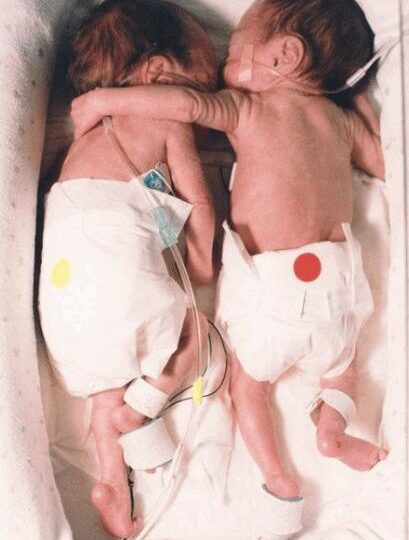
Kyrie, the slightly stronger of the two, stabilized quickly. Her tiny chest rose and fell with relative ease, and her skin slowly warmed under the soft light of the incubator, giving hope to her anxious parents.
Brielle, in contrast, struggled fiercely for every breath. Her cries, high-pitched and urgent, echoed through the ICU, drawing the attention of nurses and doctors alike, all of whom worked tirelessly to support her fragile lungs.
Days passed, and despite every intervention, Brielle’s condition worsened. Oxygen saturation levels dipped unpredictably, alarms pierced the quiet moments, and her parents’ hearts sank as they watched helplessly from the visitor window.
Gayle Kasparian, a veteran ICU nurse, had cared for countless premature infants. Yet Brielle’s case weighed heavily on her heart. Every attempt to comfort the baby seemed futile, leaving her frustrated and deeply sorrowful.
She tried wrapping Brielle in warm blankets, holding her gently against her chest, rocking her softly, whispering reassurances in a voice calm and steady, but still the tiny girl continued to struggle for life with every fragile breath.
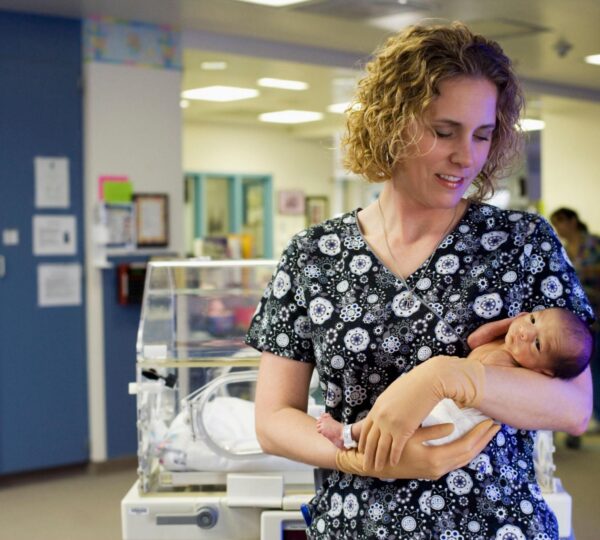
Brielle’s father, overwhelmed and desperate, was allowed brief moments to cradle her. His hands shook with fear, yet he tried to convey love and strength, willing himself to transfer his courage into his fragile daughter.
Despite all care, Brielle’s condition continued to decline. Each day brought new alarms, and even the most advanced machines could not replicate the warmth and comfort of human connection that her tiny body seemed to crave.
Gayle remembered a practice she had once read about in Europe, where premature twins were sometimes placed together for comfort, despite strict hospital policies against co-bedding due to infection risks.
She hesitated. Rules were clear. She had been trained to follow protocols rigorously, yet her heart refused to accept Brielle’s ongoing suffering as inevitable. Something needed to change.
Late one night, with the hospital quiet and only the soft hum of incubators filling the room, Gayle made a choice. Carefully, she prepared the incubators for co-bedding, ensuring warmth, cleanliness, and gentle handling.
She gently lifted tiny Brielle, her movements deliberate and tender, and placed her beside Kyrie. The two girls, separated for their entire fragile lives, now lay together, their tiny bodies mere inches apart.
Almost immediately, the change was palpable. Brielle’s frantic movements slowed, her breathing became more regular, and the high-pitched wails quieted into soft murmurs, as if she recognized the presence of her twin.
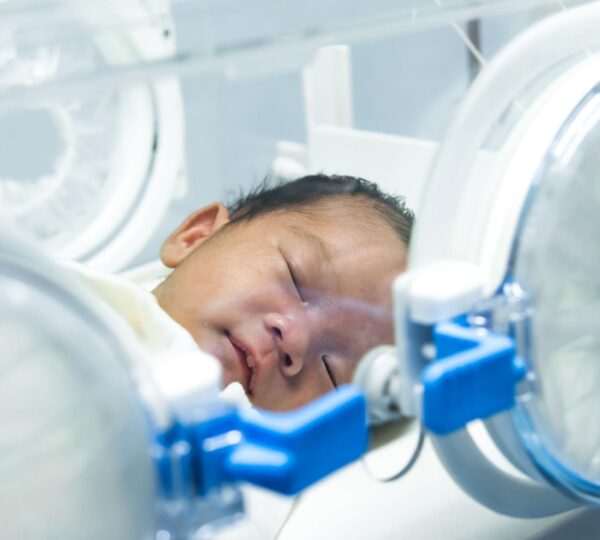
Kyrie, sensing her sister’s vulnerability, stirred slightly, wrapping a tiny arm instinctively toward Brielle, a gesture of comfort that transcended words and reminded the nurses that the bond between twins is profound.
Gayle watched in awe, her eyes moist with relief. She realized that something beyond medicine had taken hold: the innate human connection, the presence of someone familiar, had brought a fragile life back from the edge.
The parents were called into the room, hesitant yet hopeful. When they saw the twins lying together, a sense of calm washed over them, and tears of relief streamed down their faces, hearts lightened by this small miracle.
Doctors, initially apprehensive, monitored Brielle carefully but could not ignore the improvement. Her vital signs stabilized, oxygen levels normalized, and for the first time since birth, her tiny body relaxed, allowing healing to begin.
Word of this unusual intervention spread quietly through the hospital. Colleagues were surprised, some concerned about policy violations, yet none could deny the remarkable recovery they had witnessed in the tiniest patient.
Gayle reflected on her decision, understanding the risk she had taken. Protocols exist for safety, yet compassion sometimes requires courage and creativity. Her choice had honored the profound bond between these fragile sisters.
In the following weeks, Brielle continued to thrive. Her weight increased steadily, her breathing grew strong, and the once-frantic cries transformed into soft coos, reflecting growing confidence and health alongside her twin sister.
Kyrie and Brielle were discharged months later, healthy and vibrant, their parents carrying them home with gratitude that transcended words. Each day was a celebration of life, resilience, and the invisible strength of human connection.
Reflecting back, Gayle knew that her action, guided by empathy and courage, had changed the course of two lives. Presence, warmth, and love, she realized, can sometimes achieve what machines and medicine cannot.
This story reminds us that humans are not just patients and caregivers; we are deeply affected by the presence, touch, and emotional resonance of those around us, even in moments of extreme fragility.
Twins often share more than DNA; they share instincts, emotional connections, and comfort that can be life-sustaining. Co-bedding, though controversial, demonstrates how compassion can guide healing in ways textbooks cannot always explain.
For Kyrie and Brielle, the bond that began in the incubator would continue to shape their growth, providing not only physical warmth but emotional resilience, a testament to the extraordinary connection between siblings.
Nurses and parents alike learned from this experience: sometimes, rules must be balanced with empathy, intuition, and careful risk assessment, because the human element is often the most powerful force in healing.

The story of these twins spreads a universal message: life can hinge not just on medicine, but on presence, love, and the courage to act when rules conflict with the urgent call of compassion.
Even years later, their parents recall the moment Brielle rested beside Kyrie, and they marvel at how something as simple as togetherness, human touch, and presence can transform despair into hope.
Every neonatal nurse knows the stress, the alarms, and the relentless responsibility, yet moments like this underscore why empathy, intuition, and human connection are central to their profession.
The world can sometimes seem ruled by rules and protocols, yet stories like this illuminate how love, courage, and emotional presence are essential to truly saving lives, especially the smallest and most vulnerable.
For Brielle, the sisterly bond literally saved her life. For Gayle, it reinforced her belief that healthcare is not only about procedures, but about the profound influence of presence, empathy, and courageous compassion.
Parents often recount that day as transformative, a moment when helplessness turned into hope, and they witnessed firsthand the invisible but undeniable power of human connection in the ICU.
This fictional story, inspired by real challenges faced in neonatal care, illustrates a timeless truth: love, empathy, and courage can make the impossible possible, even in the most fragile lives.