For many home cooks, washing raw chicken before cooking is a deeply ingrained habit, often passed down through generations. It’s a ritual that seems logical—after all, washing other foods like fruits and vegetables is standard practice, so why not chicken? However, the Centers for Disease Control and Prevention (CDC) has recently issued a clear and compelling message: Stop washing your raw chicken! The reason? Washing chicken can actually do more harm than good. Let’s dive into why this common kitchen practice is now considered a big no-no.
When you rinse raw chicken under the tap, you’re not just washing off any surface grime. Unfortunately, you’re also potentially spreading harmful bacteria like Campylobacter, Salmonella, and Clostridium perfringens all over your kitchen. These bacteria are notorious for causing foodborne illnesses and can be easily transferred to other foods, utensils, and surfaces through the splash effect of water. The CDC’s warning is simple: washing chicken doesn’t make it safer; it makes your kitchen more dangerous.
One of the most significant issues with washing raw chicken is that the bacteria involved are invisible to the naked eye. Unlike dirt or dust, these microorganisms can’t be seen, making it impossible to know when and where they’ve spread. Even a tiny droplet of water containing these bacteria can travel far, contaminating nearby surfaces and putting your health at risk. It’s a hidden danger that can turn your kitchen into a breeding ground for bacteria.
Campylobacter is one of the most common causes of food poisoning in the United States, with raw poultry being a primary source. Ingesting this bacteria can lead to symptoms like severe stomach cramps, fever, vomiting, and diarrhea within just two to five days of exposure. The CDC estimates that about 1.5 million Americans are affected by Campylobacter each year, highlighting the significant risk associated with improper handling of raw chicken.
Salmonella is another dangerous bacterium commonly found in raw chicken. It’s responsible for countless food recalls and can cause serious gastrointestinal issues. In severe cases, especially in vulnerable populations such as the elderly or those with weakened immune systems, Salmonella can lead to life-threatening complications. The bacteria’s persistence and ability to thrive in various environments make it a formidable opponent in the kitchen.
The CDC emphasizes that the best way to kill harmful bacteria on chicken is through proper cooking, not washing. When chicken is cooked to an internal temperature of 165°F (75°C), any bacteria present are effectively eliminated. This method is the safest and most reliable way to ensure your food is free from pathogens. Investing in a good meat thermometer can help you achieve this, ensuring that your chicken is cooked to perfection every time.
The idea that washing chicken removes bacteria is a common misconception. In reality, washing does little to clean the meat and does nothing to kill bacteria. Instead, it only increases the risk of spreading these harmful microorganisms around your kitchen. The CDC’s guidelines are clear: skip the wash, and focus on cooking your chicken thoroughly.
Despite the CDC’s warnings, many people continue to wash their chicken, often citing traditional methods passed down through generations. For some, it’s a deeply ingrained habit, often involving a rinse with lemon juice or vinegar, which they believe helps to clean the meat. This clash between tradition and modern science is at the heart of the controversy.
Don’t wash your raw chicken! Washing can spread germs from the chicken to other food or utensils in the kitchen. https://t.co/QlFpd1alG3 pic.twitter.com/bLB1ofcuh7
— CDC (@CDCgov) April 26, 2019
The CDC’s advice has been met with mixed reactions. Some people are willing to change their habits in light of the new information, while others remain skeptical. Social media platforms have seen heated debates where individuals defend their practices, often with comments like, “I’ve always done it this way and never had a problem.” The debate continues, but the science remains clear on the risks.
If you’re concerned about cleanliness when handling raw chicken, focus on proper kitchen hygiene rather than washing the meat. Always wash your hands with soap and water after handling raw chicken, and make sure to sanitize any surfaces, cutting boards, and utensils that have come into contact with it. This simple practice can go a long way in preventing the spread of bacteria.
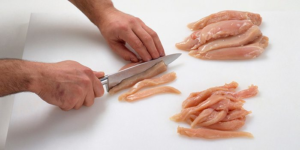
To further reduce the risk of cross-contamination, use separate cutting boards for raw meat and other foods like vegetables or bread. After preparing chicken, thoroughly clean and disinfect all surfaces and tools that were used. Keeping a clean and organized kitchen is key to preventing foodborne illnesses.
The CDC’s recommendation to stop washing raw chicken before cooking is based on sound science and aims to prevent the spread of dangerous bacteria in your kitchen. While it may feel counterintuitive to some, understanding the risks associated with washing chicken can help you adopt safer practices in food preparation. By focusing on proper cooking and kitchen hygiene, you can ensure that your meals are both delicious and safe to eat. The key takeaway? Skip the rinse, and let the heat do the work.