You crack an egg into a bowl, ready to cook, and immediately notice a thin, white string clinging to the yolk. For a split second, it might look odd, almost like something that shouldn’t be there.
Many people instinctively try to scoop it out, or even pause to wonder whether the egg is safe to eat. The first thought might be, “Is this spoiled?” or “Should I throw this egg away?”
But in reality, that small detail is completely natural, harmless, and often a quiet signal that your egg is fresh. Understanding this tiny feature can transform cooking anxiety into confidence, helping anyone from novice cooks to experienced chefs better appreciate what’s happening inside every egg.
What Is the Chalaza?
The thin, string-like piece you see in your freshly cracked egg is called the chalaza (plural: chalazae). This structure is made of protein, the same type found in egg whites, and is a perfectly natural part of the egg’s anatomy.
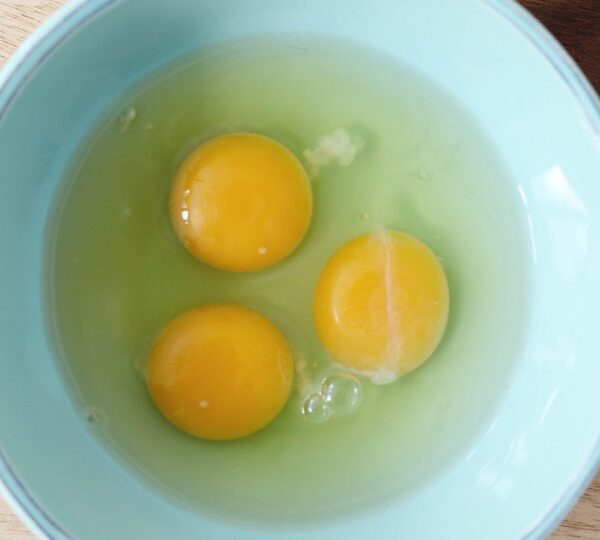
Its purpose might not be immediately obvious, but it plays a critical role in maintaining the structure of the egg. Think of the chalaza as a gentle anchoring system. Its main function is to keep the yolk centered within the egg white.
Without the chalaza, the yolk could float to the top or shift toward the edges of the shell, making the egg less stable and more prone to breaking or damage during handling, shipping, and storage. In other words, chalazae are tiny yet essential engineers inside every egg.
Most eggs contain two chalazae, one on each side of the yolk, although often only one is clearly visible when you crack the shell.
The appearance of the chalaza can vary slightly between eggs depending on the hen, the egg’s age, and how it’s been stored, but seeing it is entirely normal.
Chalaza and Egg Freshness
Interestingly, chalazae are more than just structural supports; they can also provide a subtle indicator of egg freshness. In very fresh eggs, the chalazae are usually thicker, firmer, and more defined.
As an egg ages, the chalazae gradually weaken and become less noticeable, sometimes appearing as a faint thread that blends into the surrounding egg white.
Because of this, observing a prominent, rope-like chalaza is actually a good sign: it tells you that the egg hasn’t been sitting around for long and is still at its peak freshness.
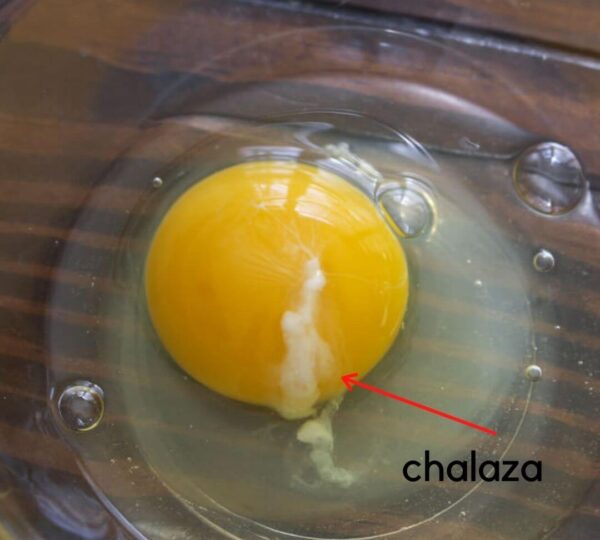
Conversely, very thin or barely visible chalazae are common in older eggs but do not automatically indicate spoilage; other signs, such as odor, discoloration, or unusual texture, are more reliable indicators if the egg has gone bad.
For cooks and bakers, noticing the chalaza can be a subtle but informative tool. Professional chefs and culinary instructors often point it out when teaching about egg structure because it can also provide clues about the quality of the eggs being used, especially for recipes where texture matters.
Nutritional and Safety Considerations
From a nutritional perspective, chalazae are made of the same proteins as egg whites, which include albumin and globulins.
These proteins are high-quality, complete proteins that provide essential amino acids, making the chalaza entirely safe to consume.
It contains no harmful substances, bacteria, or additives. In fact, there’s no need to remove it unless the texture of the chalaza specifically affects the dish you are preparing.
During cooking, the chalaza typically disappears into the egg mixture. When frying, scrambling, or baking, it becomes fully integrated and does not impact flavor, texture, or safety.
Even in dishes where eggs are lightly cooked or used raw, such as mayonnaise or Caesar dressing, the chalaza is harmless and can usually be left in without any negative effect.
There are only rare occasions where chefs might choose to remove chalazae: in extremely delicate custards, silky sauces, or fine desserts, where an ultra-smooth texture is required.
In these cases, a small strainer or careful handling can be used to eliminate any noticeable strands. Otherwise, leaving the chalaza intact is perfectly acceptable and normal.
The Science Behind Chalaza Formation
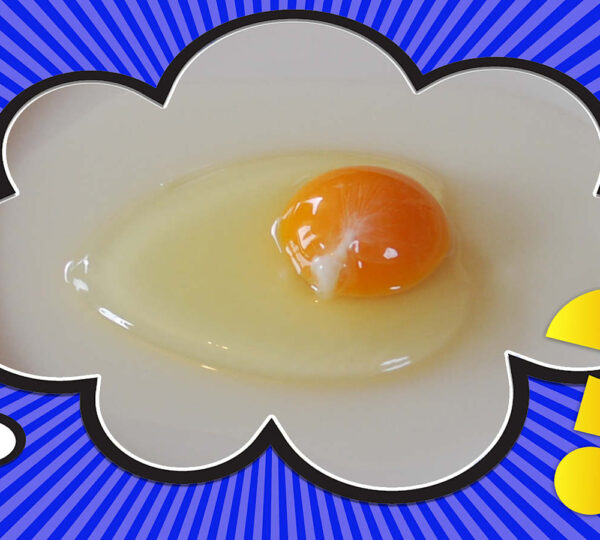
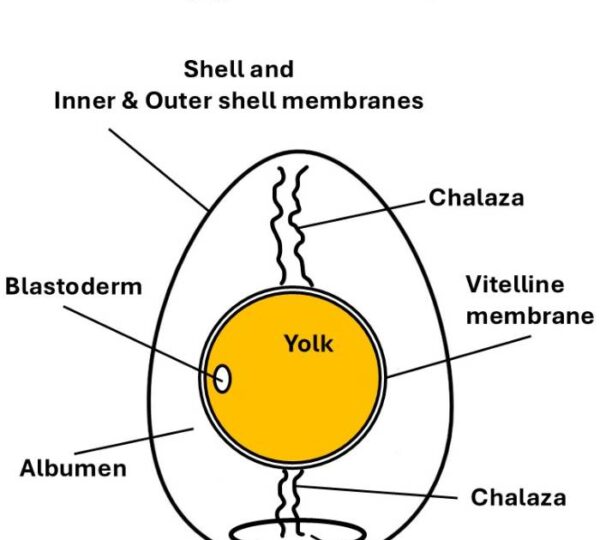
The chalaza forms during egg development inside the hen. As the egg yolk is released from the ovary and moves through the oviduct, layers of albumen (egg white) are deposited around it.
The chalazae are twisted strands of albumen proteins, designed to suspend the yolk in the center of the egg.
This centering is important for multiple reasons:
Protection: A centered yolk is less likely to touch the shell directly, which reduces the risk of contamination or breakage.
Consistency: For cooking and baking, keeping the yolk centered ensures a uniform texture in dishes such as fried eggs or baked custards.
Transport: During shipping and storage, eggs are jostled constantly. Chalazae act as internal stabilizers, preventing the yolk from becoming damaged.
The term “chalaza” originates from the Greek word “chalazion,” meaning “hailstone” or “lump,” likely referring to the small, rope-like appearance of the structure. While it may look strange or even off-putting at first glance, it is one of nature’s clever adaptations to protect the egg’s vital contents.
Culinary Perspective
Chefs and home cooks alike can benefit from understanding chalazae. For instance:
Scrambled Eggs: Leaving the chalaza intact doesn’t change the texture, as it quickly integrates when whisking.
Fried Eggs: The yolk remains centered, resulting in more evenly cooked eggs.
Baking: Chalazae usually dissolve into the batter or mixture without leaving noticeable strands.
Raw Preparations: In mayonnaise, hollandaise, or meringue, chalazae are safe and can be gently strained if desired for a smoother consistency.
Some chefs even argue that straining out chalazae can be a waste, as it removes part of the albumen, which contributes protein and structure to the final dish.
Understanding how chalazae function allows cooks to make informed decisions based on culinary goals rather than unnecessary fear.
Chalaza and Egg Grading
Egg grading systems, such as those used by the USDA and other global agencies, focus on factors like shell quality, albumen thickness, yolk prominence, and overall freshness.
While chalazae are not officially graded, their presence is a positive sign of high-quality, fresh eggs, particularly in grade AA or grade A eggs.
In older eggs, the chalaza may appear thin or barely noticeable. While this does not mean the egg is unsafe, it can influence presentation and stability, especially in fried eggs, where a slightly shifted yolk may break more easily. Observing chalazae can therefore help both professional chefs and home cooks assess the optimal eggs for specific preparations.
Tips for Home Cooks
Do Not Panic: Seeing a chalaza is normal and indicates a fresh egg.
Check Egg Freshness Properly: In addition to observing chalazae, use other methods such as the water float test or sniff test to confirm egg freshness. Fresh eggs sink in water, while older eggs may float.
Gentle Handling: When cracking eggs, try to handle them gently to avoid breaking the yolk, especially if you want a centered, aesthetically pleasing egg.
Strain if Needed: For delicate dishes requiring perfectly smooth texture, a fine mesh strainer can remove any chalazae.
In Baking: Chalazae pose no risk and can safely remain in cakes, muffins, and custards without impacting results.
By recognizing chalazae as a natural feature and indicator of freshness, home cooks can reduce unnecessary worry and better appreciate the biology and quality of their ingredients.
Why Chalazae Are a Natural Sign of Quality
Eggs are marvels of natural engineering, designed to protect and nourish life. Every component, from the eggshell to the yolk membrane to the chalaza, serves a purpose.
Far from being a defect, the chalaza is one of the subtle signs of an egg’s integrity and health. It is a gentle reminder that even in everyday ingredients, there are features designed for function, stability, and longevity.
The chalaza has evolved over millions of years to ensure that the yolk remains safely suspended, even in conditions far from perfect. Its presence demonstrates the care and efficiency of natural systems in maintaining the quality of what we eat.
Conclusion
The next time you crack an egg and notice that thin white strand clinging to the yolk, remember: this is the chalaza, a natural, harmless structure that keeps the yolk centered and indicates freshness. Rather than removing it out of fear, embrace it as a sign of egg quality and thoughtful natural design.
From a culinary perspective, chalazae integrate seamlessly into most recipes, offering no safety risk and little to no impact on taste or texture. In rare situations where extreme smoothness is required, you can gently strain it, but for everyday cooking, it’s entirely optional.
Understanding chalazae allows cooks to approach eggs with confidence, whether preparing a simple fried egg for breakfast, baking delicate custards, or creating complex sauces.
It also provides a deeper appreciation for the biological and nutritional sophistication of eggs, one of the most versatile and valuable ingredients in kitchens around the world.
In short, that tiny white string is not a flaw, but a testament to freshness, safety, and nature’s clever design. The next time you see it, know that your egg is doing exactly what it’s meant to do — protecting its contents and helping you make a delicious meal.