Listen to any amount of talking done by Donald Trump and members of his administration, and you may come away under the impression that their success and popularity are without precedent.
In public addresses and social media posts, the president often claims that tariffs have brought in billions of dollars, that inflation and gas prices are at historic lows, and that his agenda is on track to make the United States stronger, healthier, and more prosperous.
But when you look at data from independent public opinion polls, a broader and more mixed picture emerges — one in which significant numbers of Americans do not share the glowing view presented in official statements and political rhetoric.
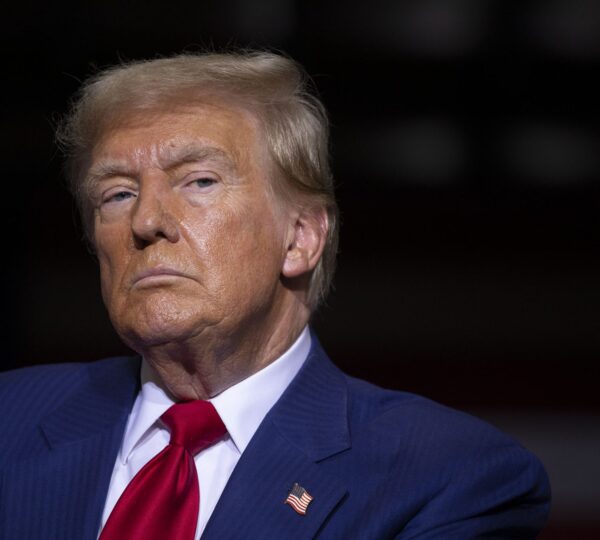
A Steady Approval Picture, But Far from Overwhelming
According to a recent poll from the Associated Press–NORC Center for Public Affairs Research (AP‑NORC), roughly 4 in 10 U.S. adults approve of the job Donald Trump is doing as president one year into his second term.
That figure — about 40% — has remained relatively steady since March 2025, shortly after Trump retook office in January of that year. Meanwhile, approximately 59–60% of adults disapprove of his performance.
This balance of approval and disapproval suggests that while Trump retains a solid base of support — especially among Republican voters — a majority of Americans remain critical of his presidency as a whole.
Approval on Key Issues Is Similarly Mixed
Diving deeper into specific policy areas, the same AP‑NORC poll shows that Trump’s public support varies by issue, but typically shows more Americans disapproving than approving of his actions:
Economy: Only about 37% approve of Trump’s handling of the economy, while a clear majority disapproves. Concerns over the cost of living and inflation are central to these views.
Immigration: Trump’s approach to immigration enforcement — once a hallmark of his political brand — has seen approval slip to around 38%.
Foreign policy: Similar patterns show roughly 37% approve of his handling of foreign relations, with most Americans dissatisfied with his direction.
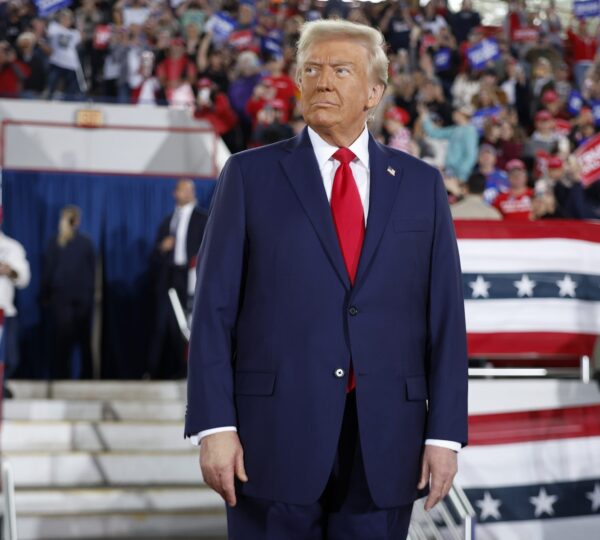
Trade & tariffs: Public opinion on Trump’s handling of trade negotiations and tariffs also leans toward disapproval in multiple polls.
Taken together, these figures indicate that a majority of Americans are evaluating Trump’s performance negatively on the core issues that have defined his political identity — including the economy, immigration, foreign policy, and trade.
Trump’s Rhetoric vs. Public Perception
Trump’s public messaging often emphasizes strength and success: economic growth, crackdown on immigration, and robust foreign policy actions. But the polling data show that many Americans remain unconvinced.
For example, even as the administration touts economic gains, six in 10 adults say Trump has done more to hurt than help the cost of living — a stark contrast to assertions that economic conditions under his leadership are thriving.
Similarly, immigration — once among Trump’s strongest issues according to earlier polls — has seen a notable decline in public approval, dropping from nearly half the public supporting his approach in early 2025 to far lower levels now.
These trends illustrate a recurring theme: Trump’s messages about success are more contested among the public than his own statements suggest.
Public Views of Priorities and Focus
The AP‑NORC polling also highlights that a large share of Americans believe Trump is focusing on the “wrong priorities.” About half of U.S. adults see his national priorities as misplaced, compared with far fewer who think he is concentrating on the right priorities.
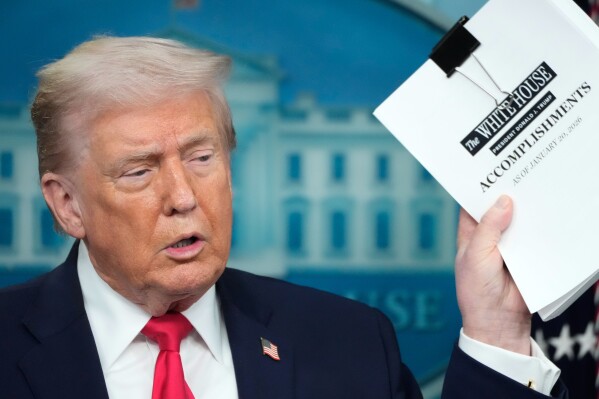
This perception of misaligned focus is significant because it extends beyond individual policy approval into broader judgments about leadership direction — whether Trump is addressing the issues most important to ordinary Americans.
Comparisons to Previous Terms
Public approval of Trump’s performance in his second term appears largely consistent with the general levels of support he saw in his first administration, which were also historically low compared with other recent U.S. presidents.
Analysis of aggregated polling data shows that Trump’s approval and disapproval mix today closely matches or even exceeds the disapproval levels seen at similar points during his first term.
In other words, although Trump continues to maintain a loyal following, particularly among Republican voters, his overall public support remains polarized and often below 50% — a common threshold for broad popular consensus.
Disapproval Across Demographics and Issues
Polling has repeatedly shown that several demographic groups — including younger voters, many independents, and diverse racial and ethnic segments — tend to disapprove of Trump’s performance more than they approve.
Recent analyses from multiple polls show particularly strong disapproval among Gen Z and younger Americans, with approval rates among these groups falling sharply over the past year.
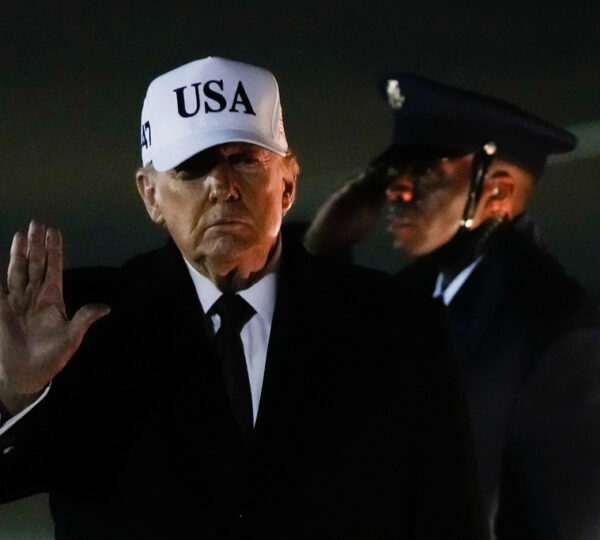
Meanwhile, a Wall Street Journal poll from January 2026 found Trump’s overall approval at about 45%, with a majority disapproving of his performance and many voters expressing concerns over economic management and foreign policy.
These figures underscore the fact that while Trump’s approval may be strong within his core base — often upward of 90% among those who voted for him — broader national opinion remains divided and, on balance, more negative than positive.
Major Events and Public Reaction
Several policy moves and international developments have influenced public perception over the past year — not always in expected ways. For example:
Immigration enforcement operations have drawn both support and sharp criticism from communities and political leaders alike, particularly when federal actions affected immigrant populations in places like Minnesota and Maine.
Protests against immigration policies have taken place in multiple cities, reflecting widespread dissatisfaction among segments of the public.
Foreign policy actions, including controversial operations in Venezuela and diplomatic tensions related to Greenland, have sparked debate over Trump’s international priorities.
These events feed into public opinion trends because Americans are watching not just issue outcomes, but how leadership decisions affect domestic and global stability.
How Poll Data Are Interpreted
Polling is a snapshot of public sentiment at a particular moment and can shift over time with events, economic changes, and political developments. Both AP‑NORC and other pollsters use representative sampling methods designed to reflect the broader U.S. adult population.
Multiple polls currently show:
Approval ratings hovering around 37–40% nationally.
Disapproval rates around 55–60% or higher.
Consistent patterns of partisanship, with Republicans largely approving of Trump’s performance, but independents and many Democrats disapproving.
This alignment with broader polling averages suggests that current sentiment is not isolated to one poll or one methodology, but represents a consistent trend of mixed approval and notable disapproval across key policy areas.
The Political Landscape Ahead
The persistence of relatively low approval ratings has implications beyond simple public perception. As the nation moves toward midterm elections and future political contests, how voters evaluate the presidency could influence congressional control, policy direction, and electoral strategies.
Political analysts often highlight that incumbents with approval rates below 50% face challenges in mobilizing broad support — especially among swing voters — which can shape outcomes in closely contested races.
Conclusion: Beyond Rhetoric, What the Public Says
Donald Trump’s presidency continues to be polarizing. His supporters praise his assertive leadership, focus on immigration enforcement, and economic rhetoric.
But independent polling data — including multiple waves of AP‑NORC polls and additional surveys — indicate that a majority of Americans do not approve of his handling of key issues, and many believe his priorities are misaligned with their concerns.
Rather than representing unqualified national unity behind Trump’s claims of overwhelming success, the data paint a picture of deep division in public opinion.
A significant segment of the U.S. population remains skeptical of his leadership, even as he retains a firm base of devoted supporters.
Regardless of political perspective, these trends underscore the complexity of U.S. public opinion — one in which national leaders may tout great success, but public sentiment is more varied, and often less optimistic, than official statements suggest.